Top 5 Myths About Australian Quarantine and Biosecurity Advisory


Understanding Australian Quarantine and Biosecurity
Australia's quarantine and biosecurity measures are critical to protecting its unique ecosystems and agriculture. However, several myths surround these regulations, leading to confusion among travelers and importers. Let's debunk some of these misconceptions.

Myth 1: Quarantine Rules Are the Same Everywhere
One common myth is that quarantine regulations are uniform across all countries. In reality, each country has its own set of rules tailored to its environmental needs. Australia's guidelines are particularly stringent due to its isolated geography and unique biodiversity.
Myth 2: Biosecurity Only Involves Agriculture
Another misconception is that biosecurity pertains solely to agriculture. While it's true that agriculture is a significant focus, biosecurity also encompasses the protection of native wildlife, plants, and even human health. It's a comprehensive approach to safeguarding the entire ecosystem.
Myth 3: Declaring Items Will Lead to Fines
Many travelers fear that declaring items at customs will automatically result in fines. However, honesty is crucial. Declaring items, even if they're prohibited, typically does not lead to penalties. It's the failure to declare that often results in fines.
Myth 4: All Natural Products Are Prohibited
There's a belief that all natural products are banned from entering Australia. While some items are restricted, many can be imported with the proper permits and treatment. It's essential to check the specific requirements before traveling or shipping goods.
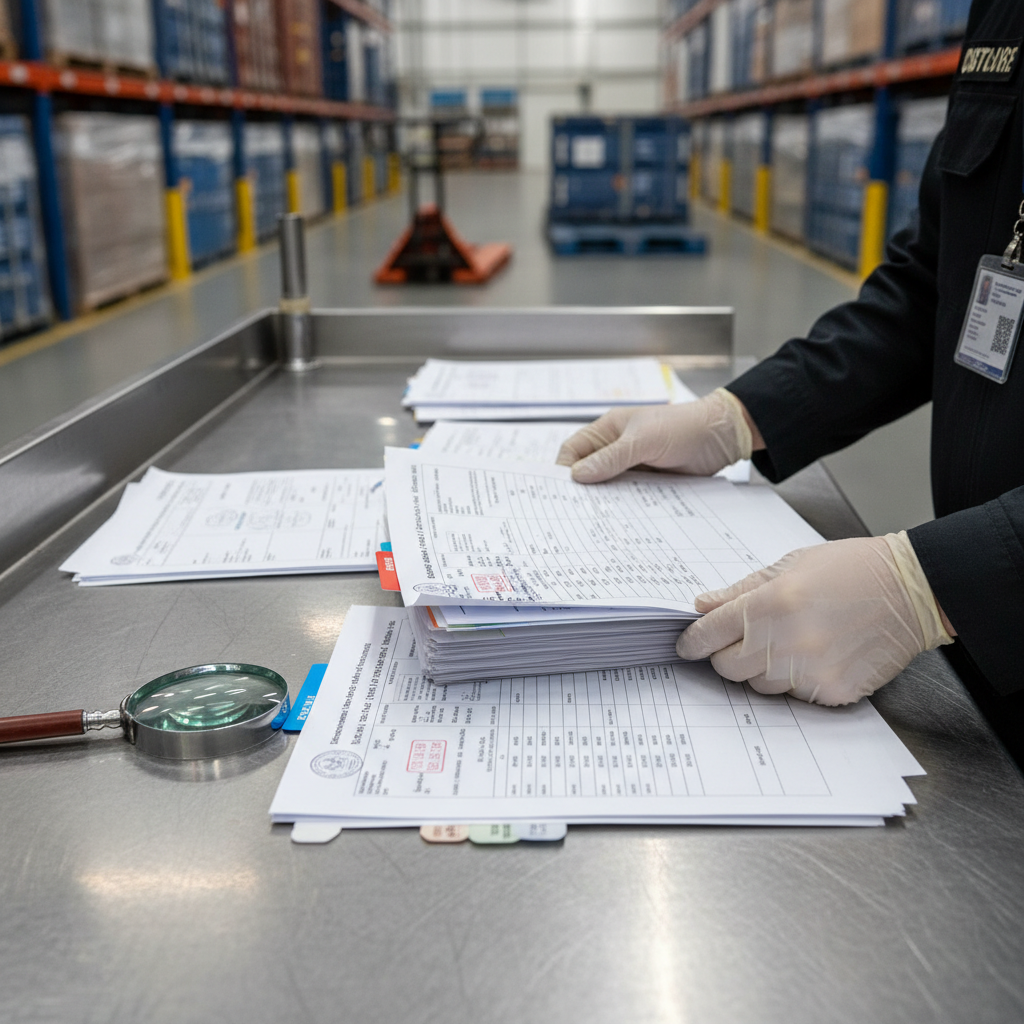
Myth 5: Quarantine and Biosecurity Are Bureaucratic Hurdles
Some view these measures as mere bureaucratic obstacles. In truth, they are vital processes designed to protect Australia's economy, environment, and public health. The regulations ensure that risks are managed effectively, preventing the introduction of harmful pests and diseases.

Conclusion: Navigating Quarantine and Biosecurity
Understanding and complying with Australia's quarantine and biosecurity measures is essential for anyone traveling to or trading with the country. By acknowledging and dispelling these myths, individuals can contribute to preserving Australia's unique natural heritage while avoiding unnecessary complications.
For more detailed information, consult the official resources provided by the Australian government, which offer guidance and updates on current regulations and requirements.