Expert Tips on Risk Management for Biosecurity in Agricultural Settings


Understanding Risk Management in Biosecurity
Biosecurity is a crucial component in agricultural settings, aimed at protecting crops and livestock from biological threats. Effective risk management strategies are essential to ensure the sustainability and productivity of agricultural operations. In this post, we’ll explore expert tips on managing biosecurity risks to safeguard your agricultural investments.
Risk management in biosecurity involves identifying potential threats, evaluating their impact, and implementing measures to mitigate them. This proactive approach helps minimize losses and maintain a healthy agricultural environment.
Identify Potential Risks
The first step in risk management is identifying possible biosecurity risks. These can include pests, diseases, and invasive species. Regular monitoring and surveillance are essential to detect early signs of these threats. Farmers and agricultural managers should stay informed about emerging risks in their region and adapt their strategies accordingly.
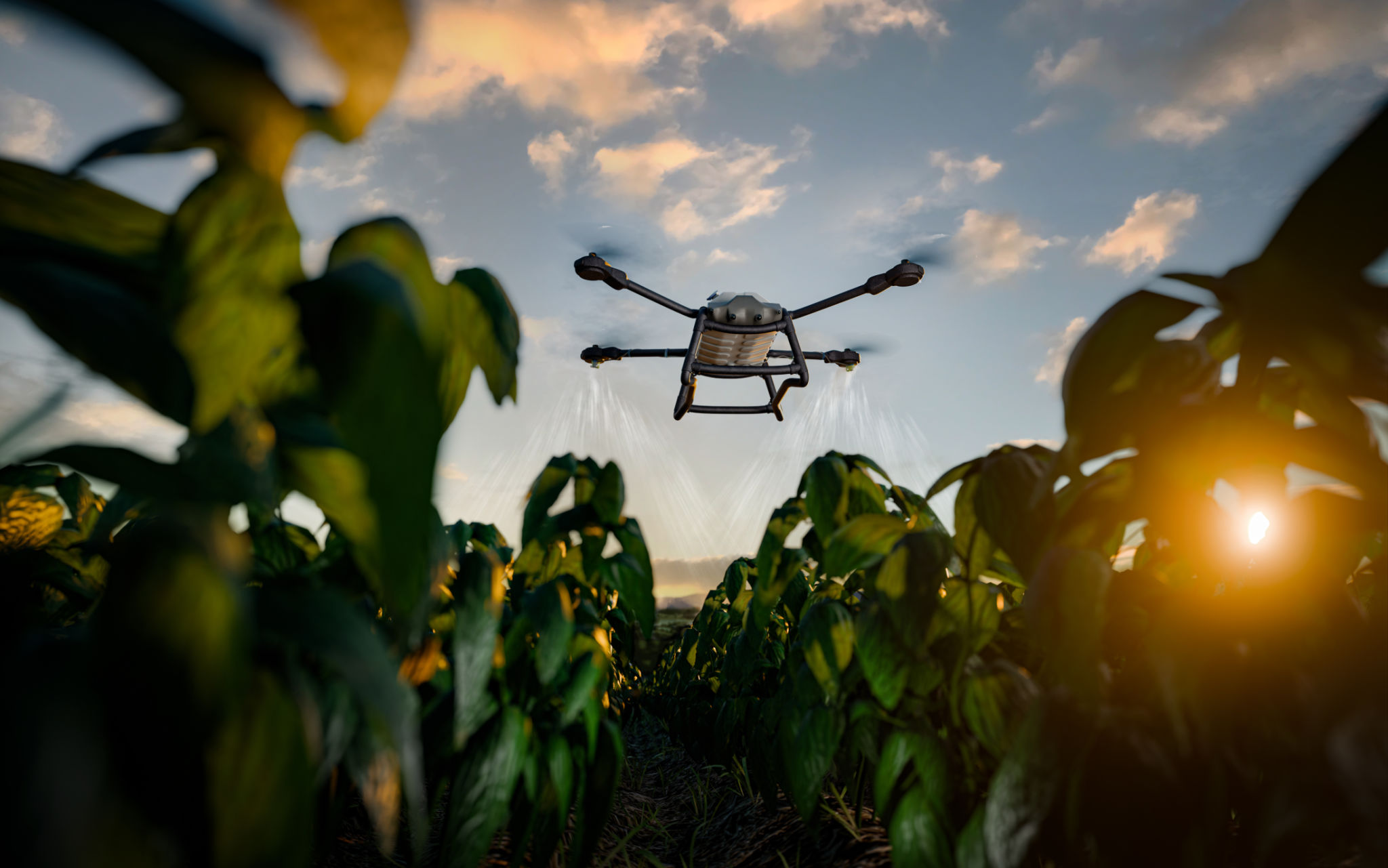
Utilizing technology such as remote sensing and GPS tracking can enhance the ability to monitor and predict potential biosecurity threats. This data-driven approach allows for more precise and timely interventions.
Assess the Impact
Once potential risks are identified, assessing their impact is crucial. Not all risks pose the same level of threat, so prioritizing them based on their potential impact on production and economic viability is necessary. Conducting risk assessments helps in allocating resources effectively and preparing contingency plans for high-risk scenarios.
Implement Preventive Measures
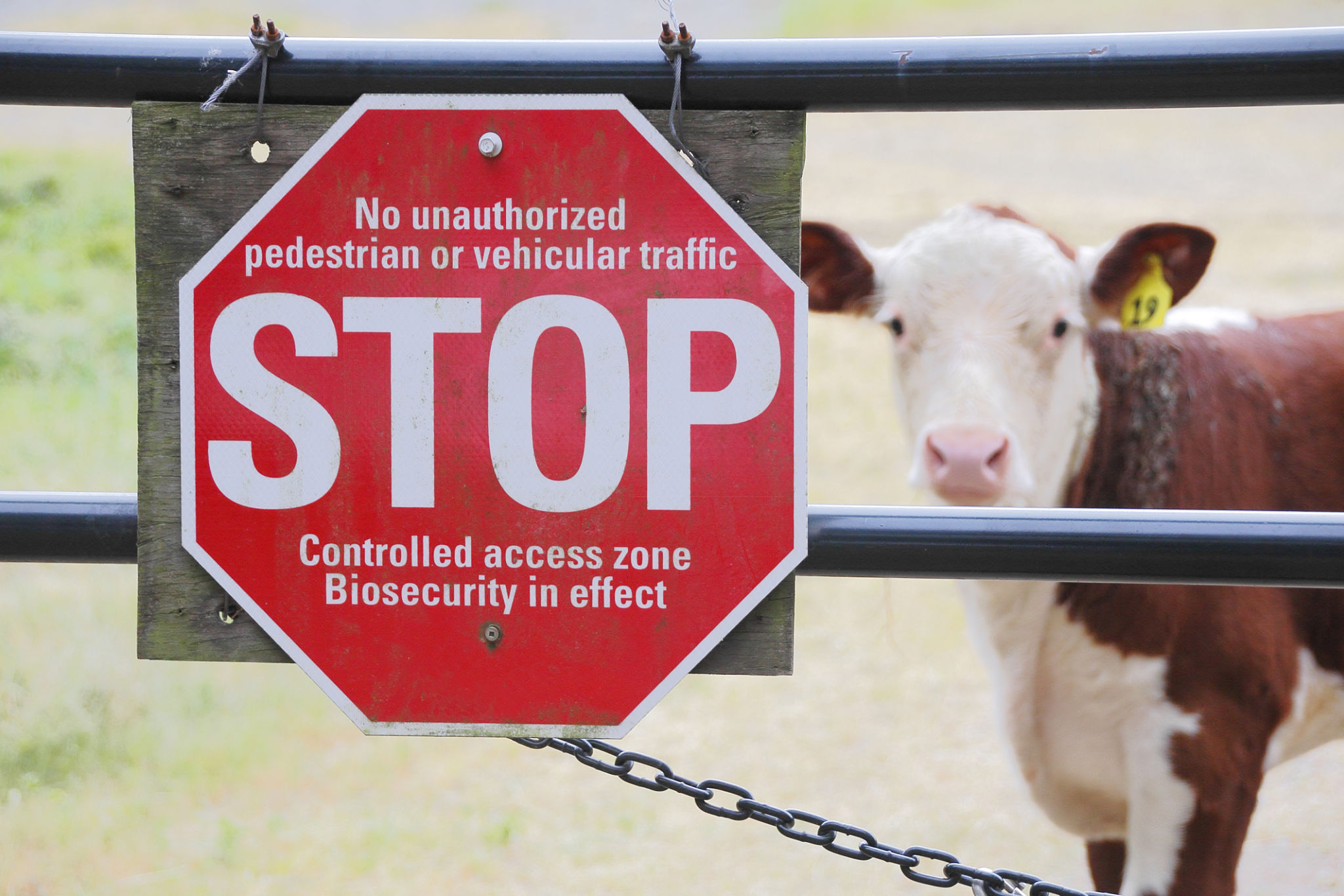
Prevention is always better than cure. Implementing stringent biosecurity measures can significantly reduce the likelihood of risks materializing. This includes maintaining clean facilities, using certified seeds and livestock, and controlling access to agricultural sites.
- Regularly disinfect equipment and vehicles.
- Establish quarantine protocols for new livestock or plants.
- Train staff on biosecurity practices and protocols.
Develop a Response Plan
Despite preventive efforts, not all risks can be entirely eliminated. Developing a comprehensive response plan ensures that you are prepared to act swiftly if a biosecurity threat occurs. This plan should include steps for containment, communication strategies, and recovery procedures.

Continuous Improvement and Adaptation
Biosecurity risk management is not a one-time task but an ongoing process. It requires continuous improvement and adaptation to new challenges. Regularly reviewing and updating your biosecurity plan ensures that it remains effective against evolving threats.
Engage with industry experts and participate in workshops or training sessions to stay updated on the latest biosecurity practices and technologies. Collaboration with other farmers and agricultural organizations can also provide valuable insights and resources.
By following these expert tips, agricultural stakeholders can enhance their biosecurity risk management strategies, ensuring a safe and productive environment for their operations.