Expert Insights: Navigating Biosecurity Compliance in Queensland


Biosecurity compliance is a crucial aspect of maintaining the ecological balance and protecting agricultural industries in Queensland. With its diverse ecosystems and rich agricultural activities, Queensland faces unique challenges and responsibilities. Understanding the nuances of biosecurity compliance can help businesses and individuals contribute to a safer environment.
Understanding Biosecurity in Queensland
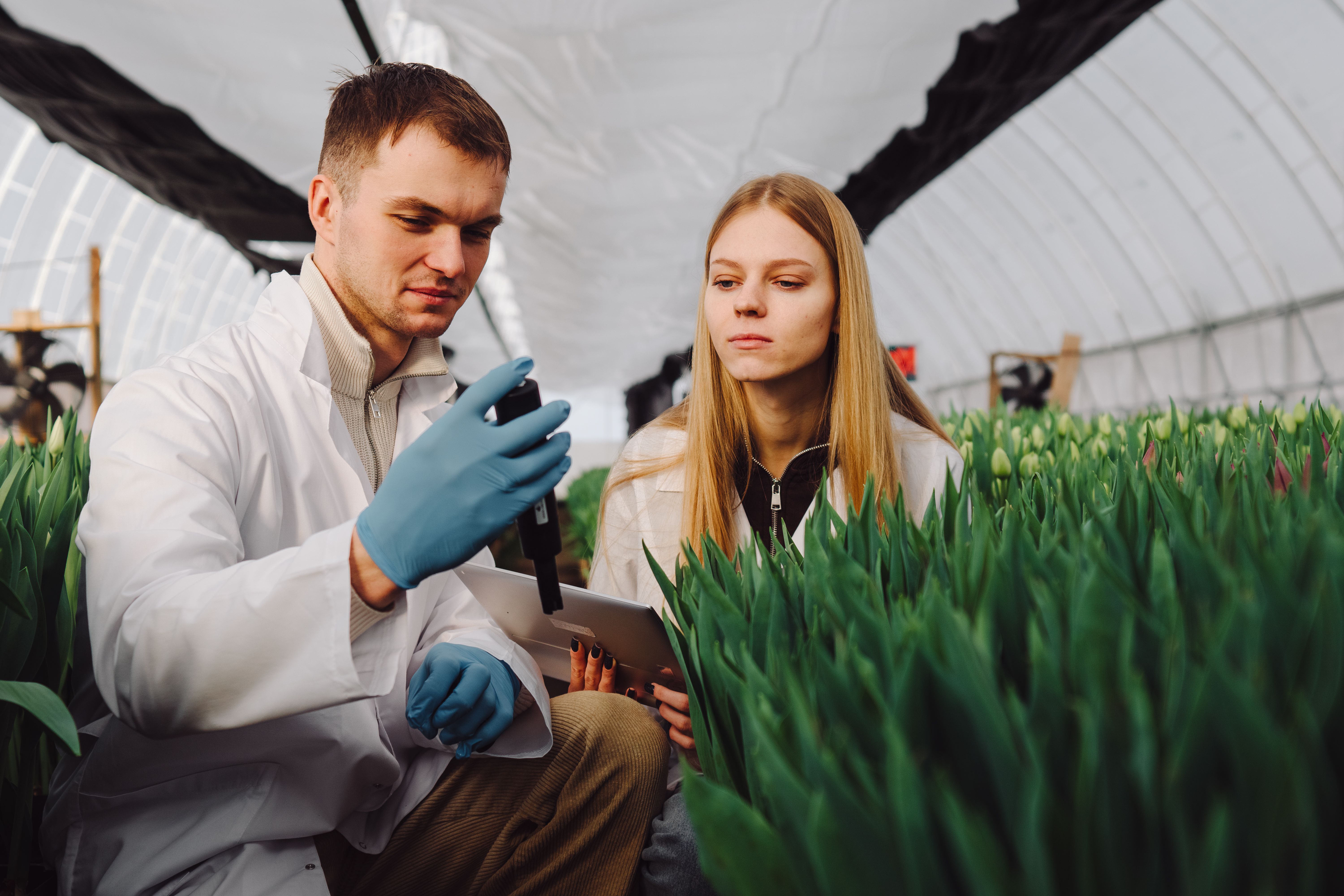
Biosecurity involves protecting the economy, environment, and community from the negative impacts of pests, diseases, and weeds. In Queensland, biosecurity is especially important due to the state's extensive agriculture and tourism sectors. Effective biosecurity measures ensure that these industries continue to thrive without harmful disruptions.
The Queensland Government has established comprehensive guidelines and legislation to assist in managing biosecurity risks. These measures are designed to prevent the introduction and spread of harmful organisms, safeguarding both the environment and the economy.
Key Biosecurity Legislation
The Biosecurity Act 2014 is the cornerstone of biosecurity management in Queensland. This legislation provides a flexible and responsive framework, empowering individuals and organizations to manage biosecurity risks. Compliance with this Act is essential for all stakeholders, including farmers, travelers, and businesses.

Under the Act, there are specific obligations known as General Biosecurity Obligations (GBO). These require individuals to take all reasonable and practical measures to prevent or minimize biosecurity risks. This proactive approach emphasizes shared responsibility in managing biosecurity threats.
Practical Steps for Compliance
To effectively navigate biosecurity compliance, it is important to understand the practical steps involved. Here are some essential actions:
- Risk Assessment: Identify potential biosecurity threats relevant to your activities.
- Implementation: Develop and implement strategies to mitigate identified risks.
- Monitoring: Regularly monitor and review biosecurity measures to ensure effectiveness.
Expert Advice and Resources
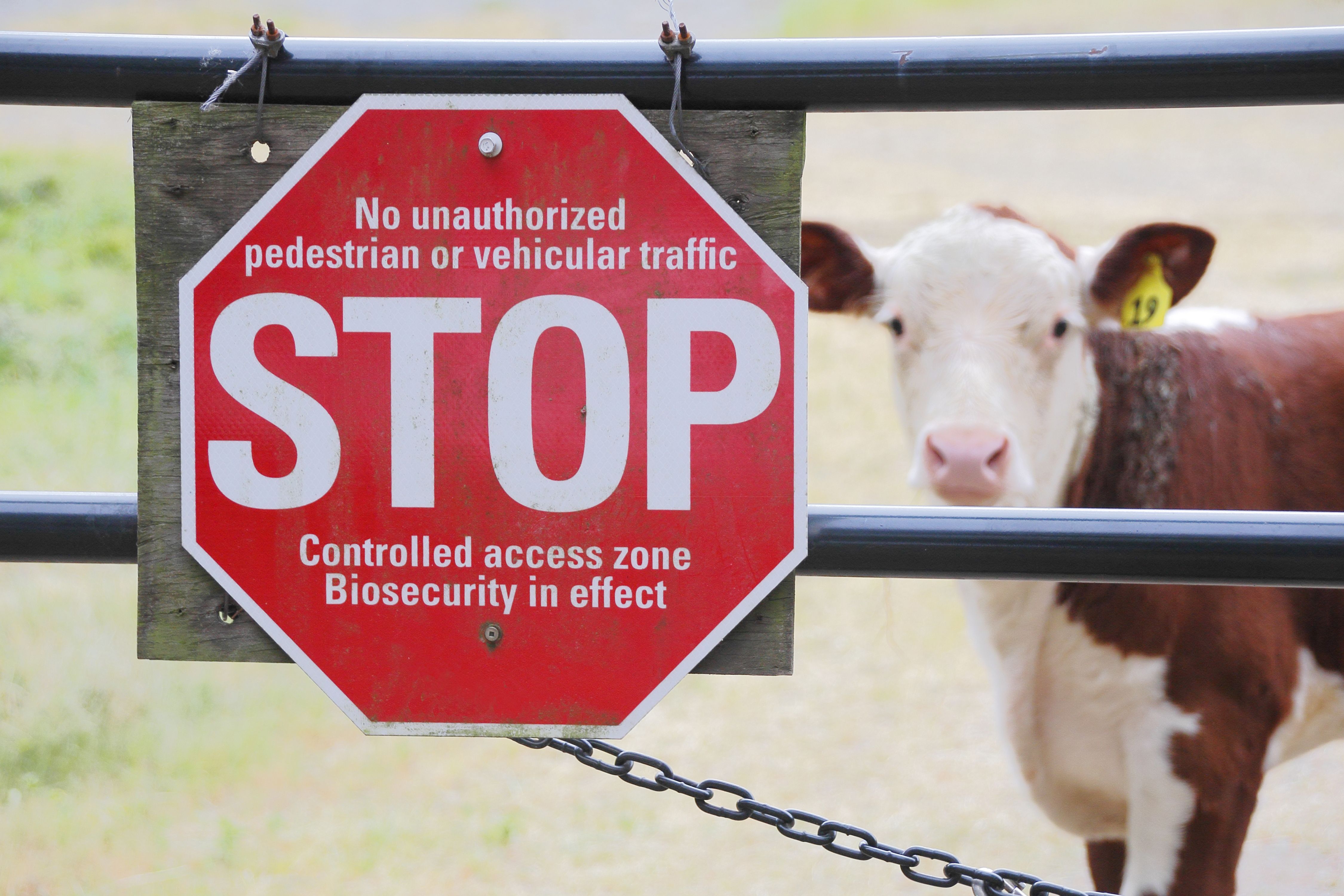
Engaging with biosecurity experts can provide valuable insights into best practices and new developments. Queensland offers a range of resources and support networks for individuals seeking guidance. The Department of Agriculture and Fisheries (DAF) is a primary contact for expert advice and assistance.
DAF provides a wealth of information, including guidelines, fact sheets, and training programs to help stakeholders meet their biosecurity obligations. Utilizing these resources can enhance your understanding and capability to manage biosecurity risks effectively.
The Role of Technology in Biosecurity
Technology plays an increasingly vital role in enhancing biosecurity measures. Innovations such as remote sensing, data analytics, and mobile applications are transforming how risks are identified and managed. These tools offer real-time data and insights, allowing for swift and informed decision-making.
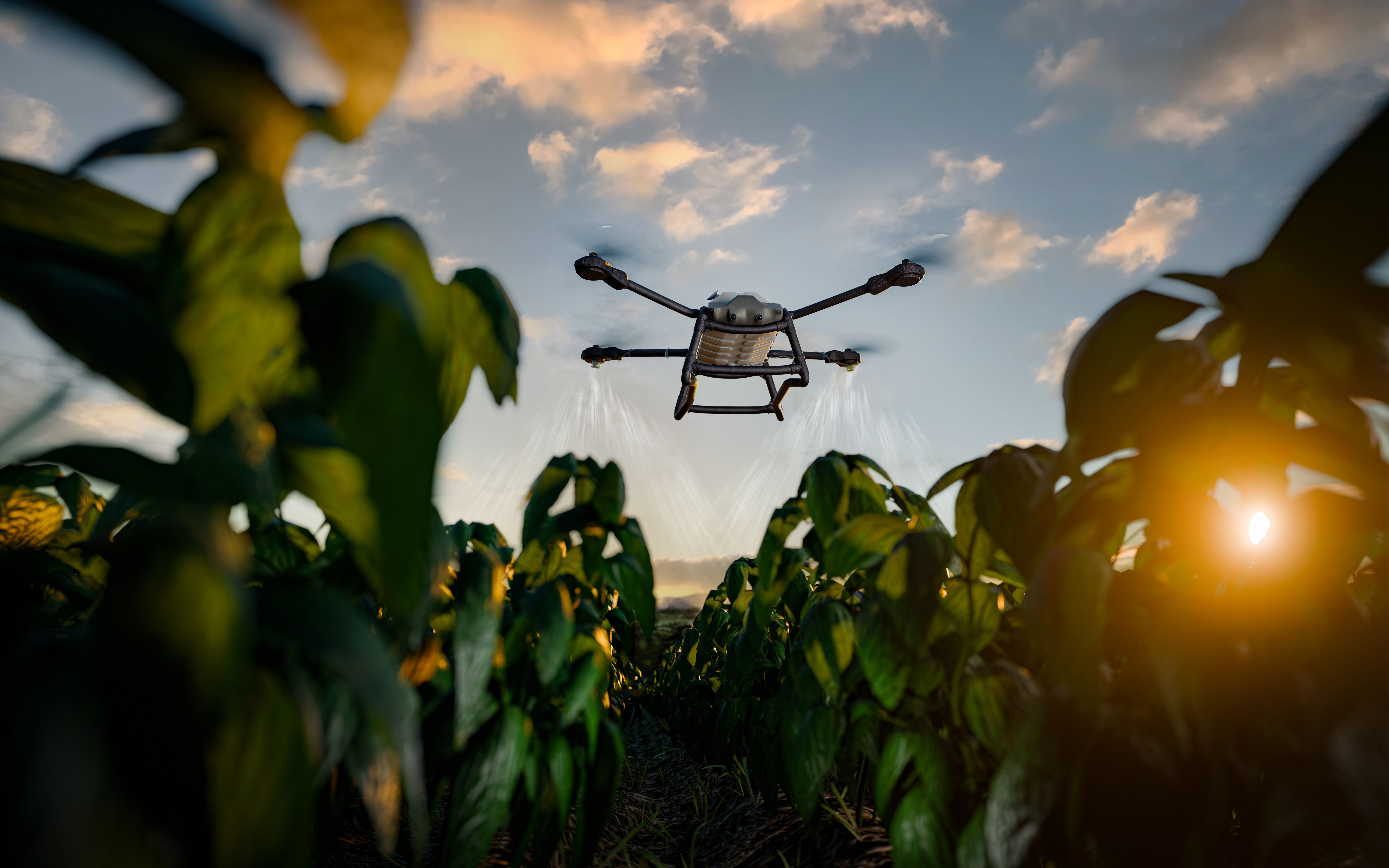
Adopting these technologies can significantly improve biosecurity compliance by providing accurate risk assessments and facilitating efficient monitoring processes. As technology continues to evolve, staying updated with the latest advancements can offer a competitive edge in biosecurity management.
In summary, navigating biosecurity compliance in Queensland requires a comprehensive understanding of legislative frameworks, practical strategies, and the integration of technology. By fostering a proactive approach and utilizing available resources, stakeholders can effectively contribute to safeguarding Queensland's unique ecosystems and thriving industries.